
When to come, and when not to
Vietnam runs three different climates at once. The month that is perfect in the north can be the worst possible week in the centre.
The north runs on its own calendar
Sa Pa and Hà Giang turn cold and often foggy from December through February, sometimes cold enough for a rare frost on the highest terraces. March and April bring clearer skies and the water-filled terraces before planting. The rainy season, June through August, brings the mud discussed elsewhere on this site, but also the deepest green of the year.
September and October are harvest season — the terraces turn gold, the trails dry out, and this is the single most requested window we get for the north. Book accommodation early if this is your target.
The centre answers to typhoons, not seasons
Huế, Hội An, and Đà Nẵng sit in the path of the annual typhoon season, running roughly October through November. Flooding in Hội An's old town is common enough in those months that some guesthouses keep sandbags by the door as a matter of routine, not emergency.
February through July is the more reliable stretch for the centre — dry, hot from May onward, but dry.
The south stays warm and rarely commits to a downpour
The Mekong Delta and Ho Chi Minh City run a dry season from December to April and a wet season the rest of the year, but "wet" here usually means a heavy hour-long shower most afternoons rather than a day lost to rain. The floating markets run on their own schedule regardless of season — tides matter more than rainfall.
One week to avoid everywhere
Tết, the Lunar New Year, shuts down an enormous share of small businesses nationwide for the better part of a week, and transport prices spike in the days around it as the entire country travels home at once. It is a remarkable thing to witness once, but a difficult week to actually get things done or find restaurants open.
If you can only pick one month
- North only: October, for the harvest terraces and dry trails
- Centre only: March, for the driest weather before the summer heat sets in
- South only: December, for the start of the dry season without peak-season crowds
- Whole-country trip: late February to early March, after Tết settles and before the summer rain begins
More from the journal
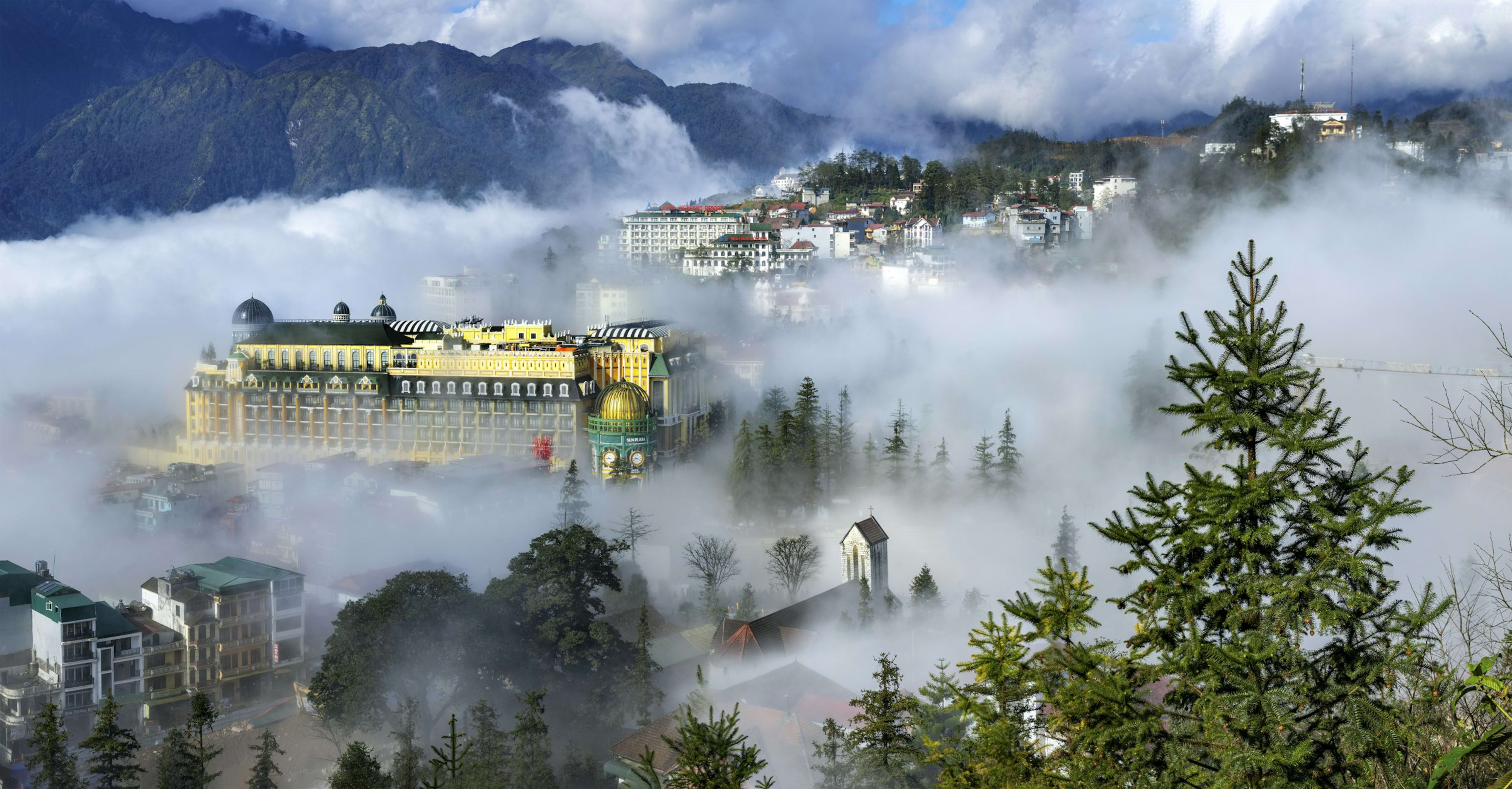
What to pack for the mist season
A light jacket, real shoes, and patience. The terraces reward all three — our guides share their honest checklist.
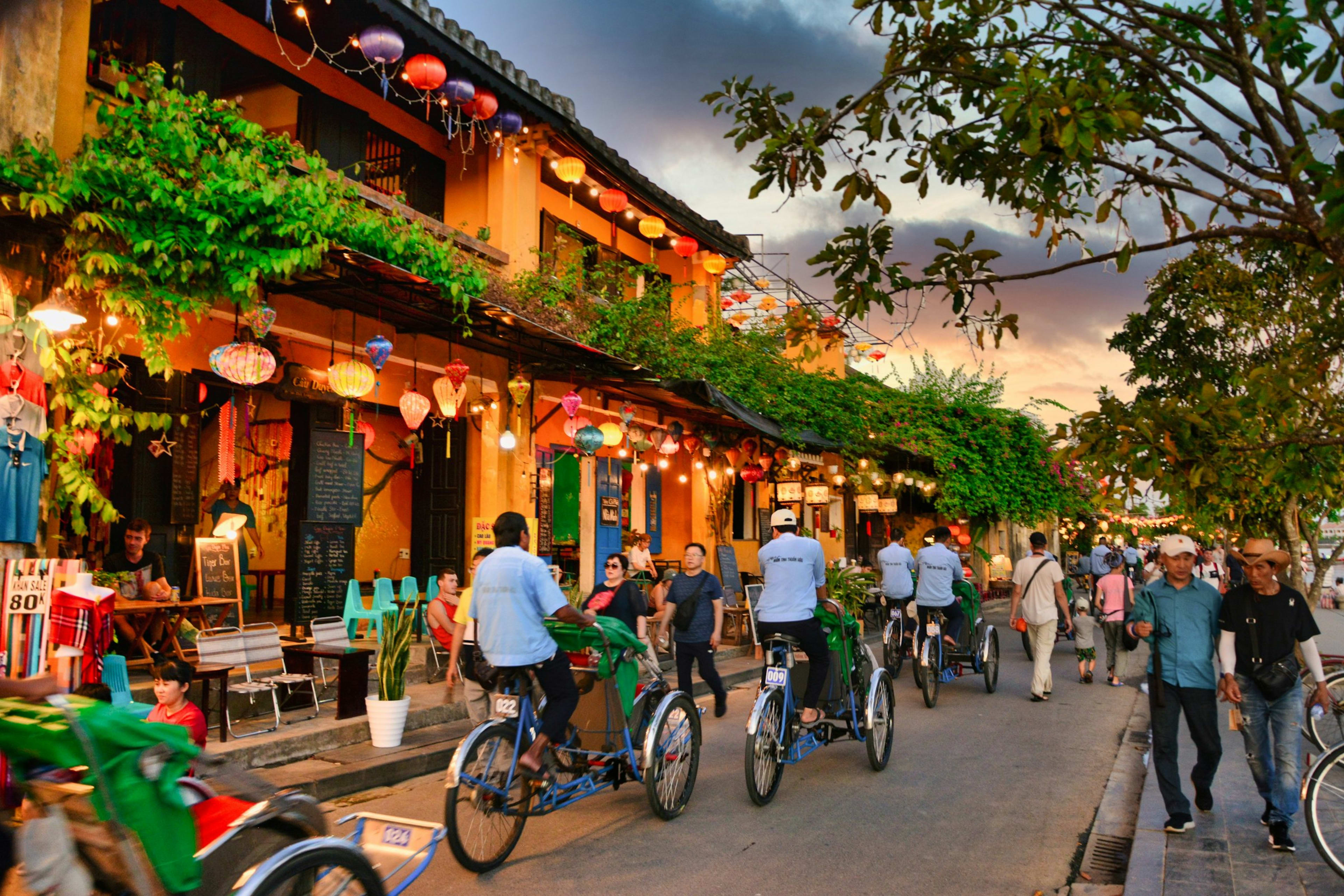
Eating your way through Hoi An
Cao lầu at a market stall, bánh mì by the river, and the one dessert locals queue for after dark.
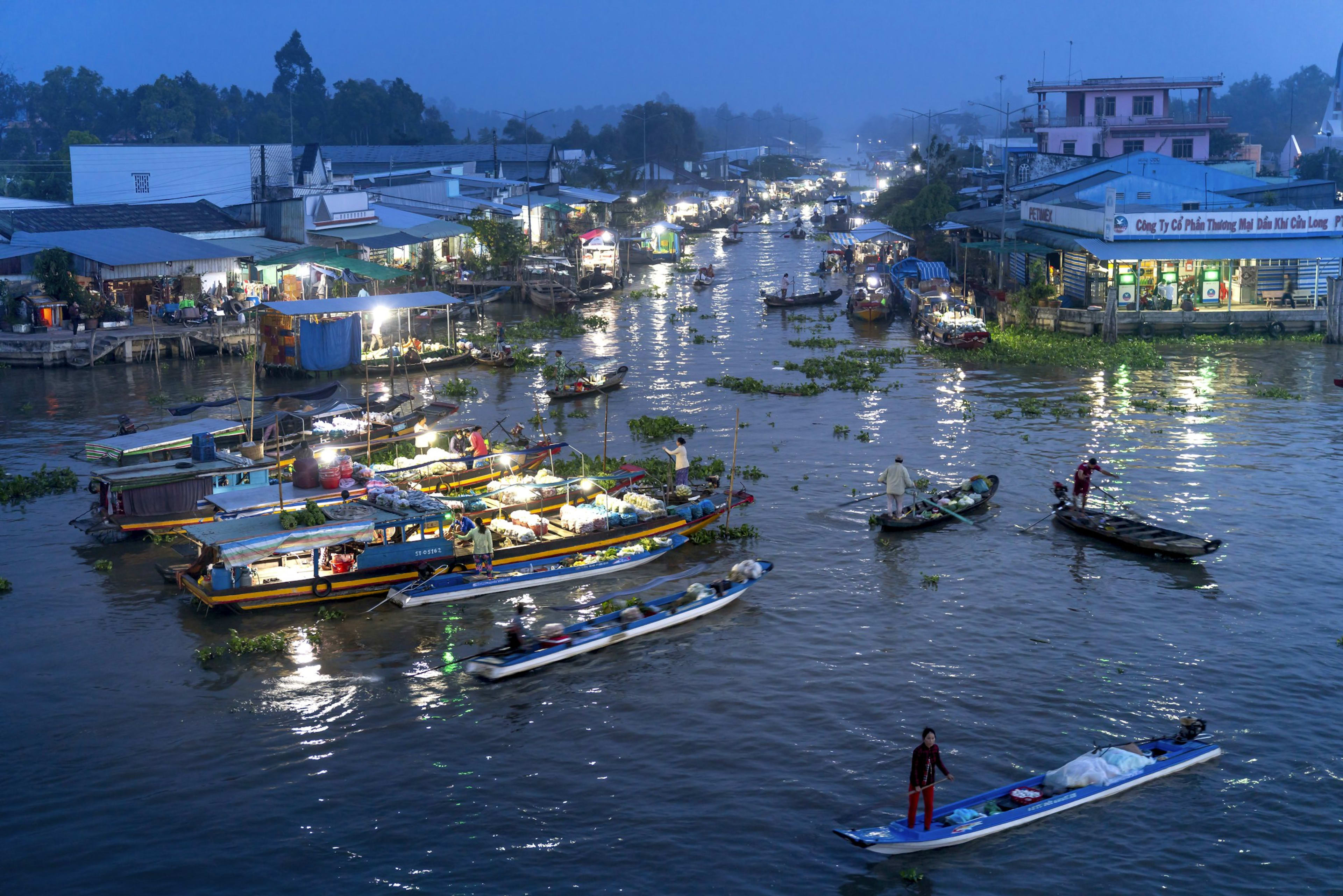
Floating markets before sunrise
Why the Mekong wakes up at 4am, and how to see Cái Răng the way traders do — from the water, with coffee.